



To the Moon and Back follows Ilyasse from Morocco, and Pauline from the Philippines, two Gen Z scientists shaped by a personal history of uprooting, chasing the dream of becoming an astronaut.
As their journeys unfold, Ilyasse and Pauline find themselves torn between their ideals of inclusion and sustainability and the fiercely competitive world of contemporary space exploration. The film exposes how the new space race reproduces old hierarchies of gender, geography and access, all against the backdrop of an uncertain future on Earth.
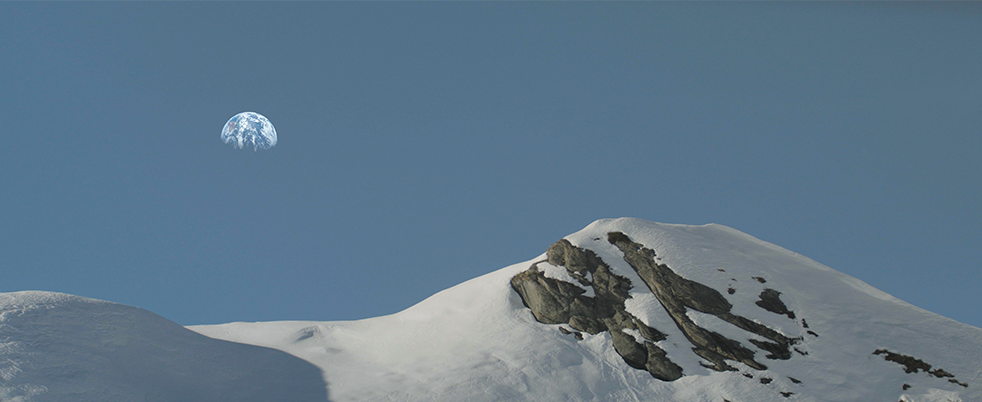
Set between reality and dream, between grounded struggles and whimsical moon mission simulations, To the Moon and Back becomes a true exploration of what it means to belong — and whether space exploration is a way forward or a way to escape.
Elisa adopts a visually-driven approach to her subject matter. In tandem with the writing process, we conducted preliminary research shoots to shape the film’s scope, objectives, and perspective. This footage allowed us to collaborate with Senior Editor Katja Dringenberg and edit the teaser, introducing the two protagonists, accentuating their differences, and unveiling Elisa’s behind-the-scenes presence during interviews, eliciting testimonies from the main characters within a storyworld that seeks for the celestial within the terrestrial.
technical sheet
Title To the Moon and Back
Genre Documentary
Runtime 80′
Another runtime 52’
Production Switzerland
Shooting format 4K
Shooting language English, German, Filipino, Arabic, other
Filming locations Switzerland, Germany, Spain, Andorra, Philippines, Italy, Morocco
in development
Status In postproduction
Expected release April 2026
crew
Director Elisa Gómez Alvarez
Editors Katja Dringenberg, Noémie Ruben
DOP Myriam Guyenard
Sound Ilù Seydoux, Théodora Menthonnex
Producer Palmyre Badinier, Rita Productions
partners
In coproduction with RTS Radio Télévision Suisse, Aljazeera Documentary, Pictanovo
With the support of Federal Office of Culture (FOC), Cinéforom and Loterie Romande, Switzerland, Audiovisual Production Fund (TPF), la Région Hauts-de-France, la Plateforme Tënk, la PROCIREP – Société des Producteurs et de/and l’ANGOA, Film Development Council of the Philippines and FilmPhilippines, Centre National du Cinéma et de l’Image Animée
With the participation of Succès passage antenne SRG SSR, SSA, Switzerland
Warning: Trying to access array offset on value of type bool in /home/clients/63e00a36f3db835c33eed2ea625390d6/web/wp-content/plugins/cinerama-core/shortcodes/image-gallery/image-gallery.php on line 286

the gen-z space community
At the heart of the “Mars generation”, Ilyasse and Pauline are scientific prodigies in their twenties, each shaped by a personal history of uprooting. From different backgrounds and origins, they have in common a singular, almost obsessive dream : to transcend Earth’s confines, evading the weight of the Anthropocene and personal strife. Driven by the fervor of the new space race, they yearn to redefine humanity’s cosmic boundaries.
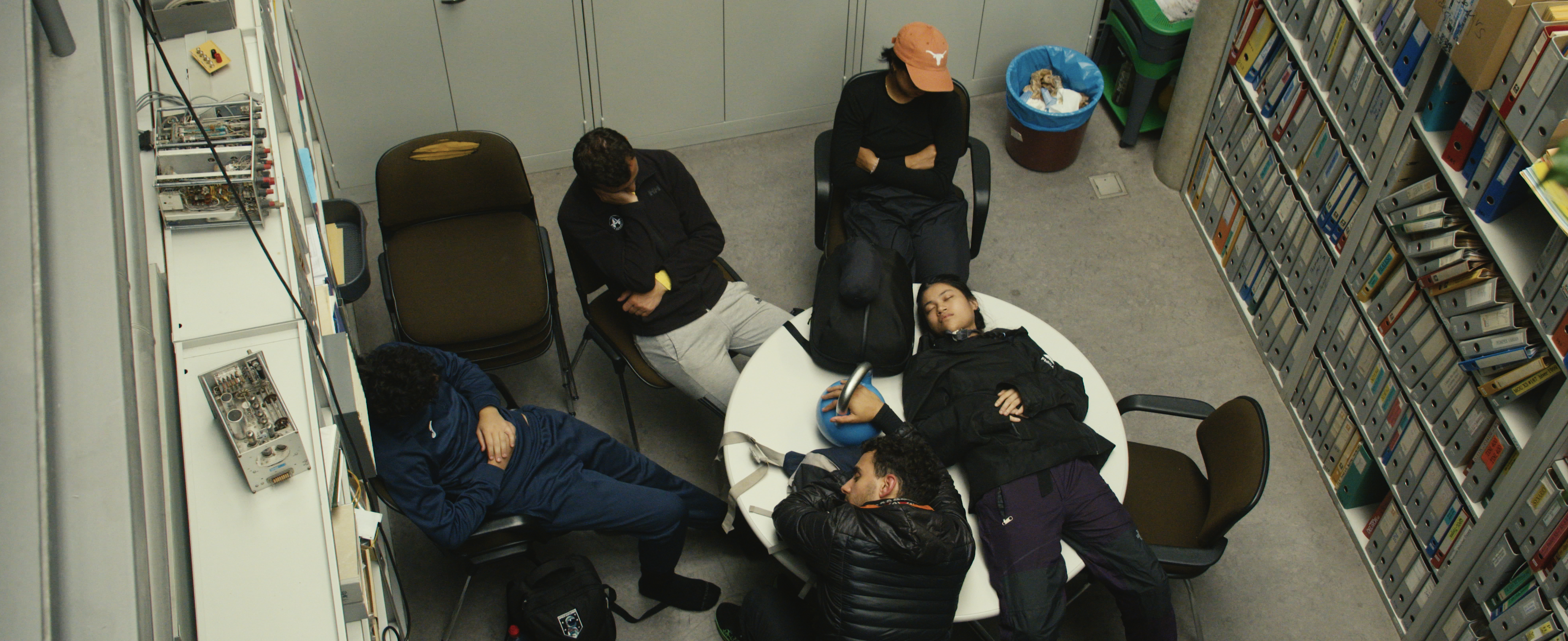
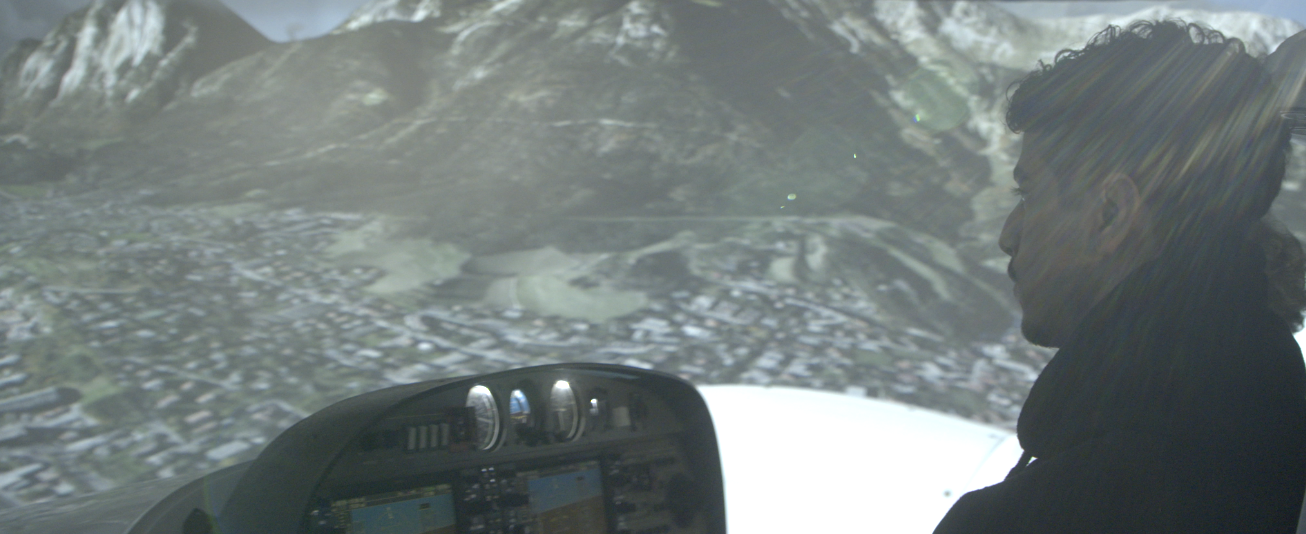
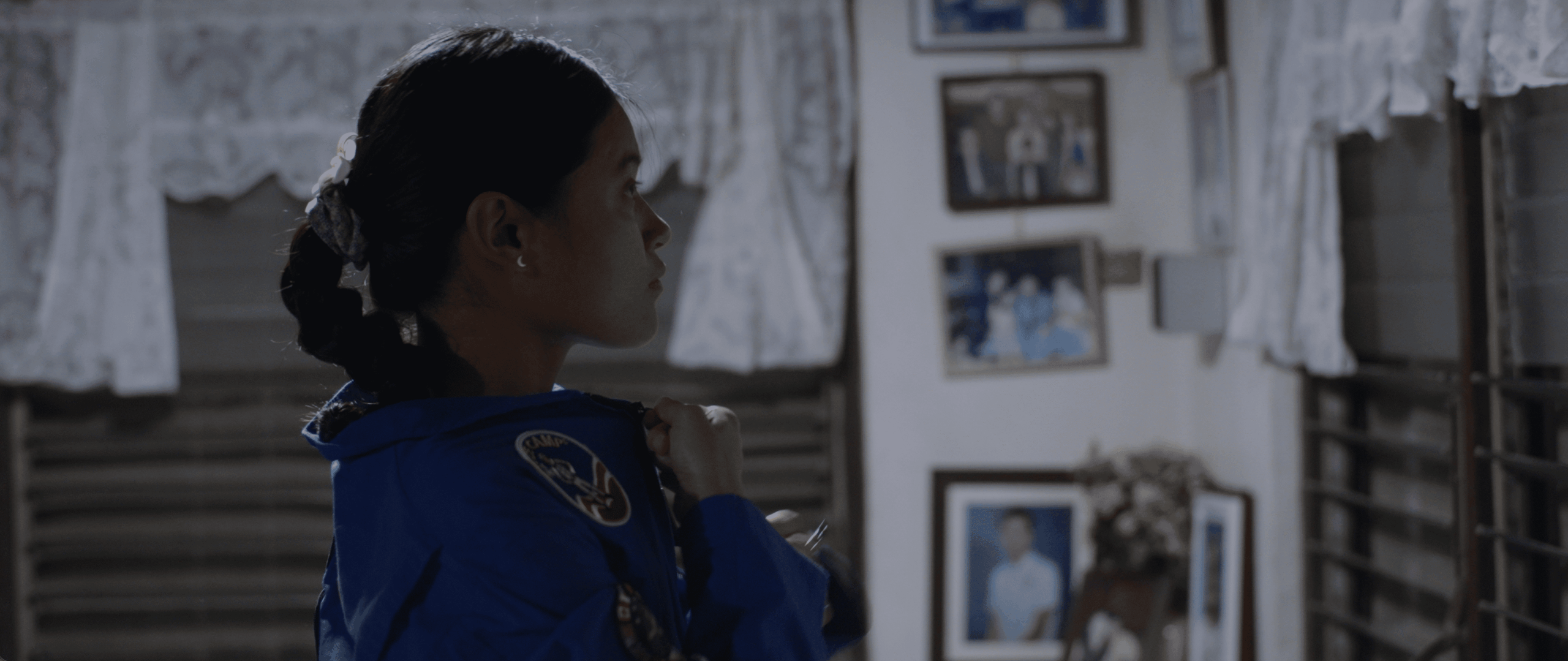
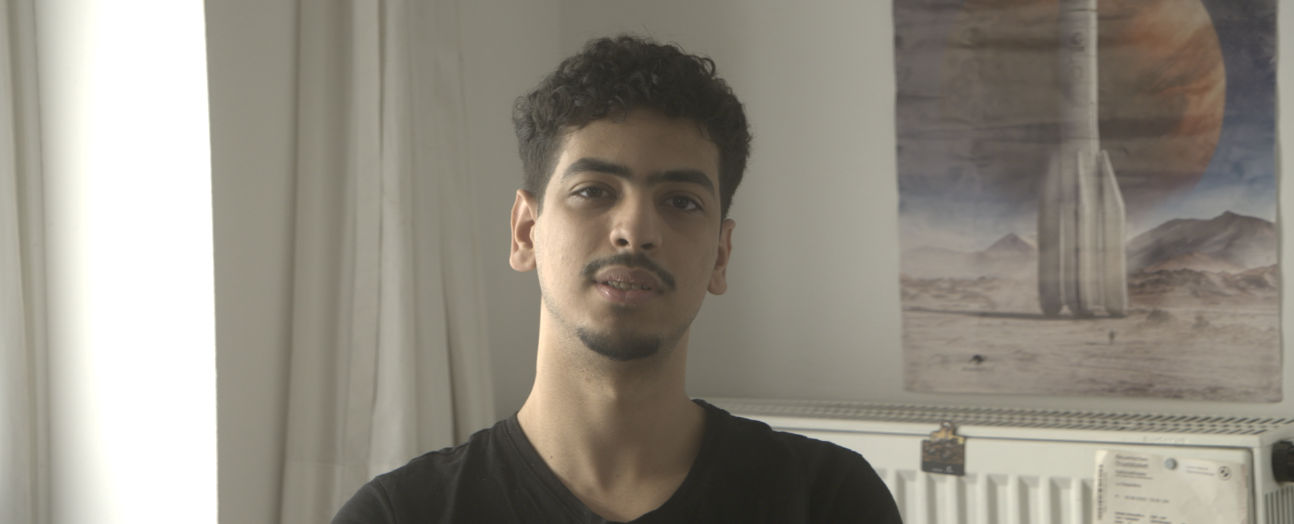
Their paths converge at Asclepios, a Swiss-based hub for young space enthusiasts where space mission simulations take place. Here, Pauline, from the Philippines, navigates a world where faith intertwines with science, fueled by her resolve to challenge gender biases in the male-dominated field of hard science. Meanwhile, Ilyasse, from Casablanca, grapples with the dichotomy of his Moroccan identity against the backdrop of his dream to become an astronaut.
As Pauline faces rejection and Ilyasse emerges as the chosen one in the Asclepios selection process, they both face geopolitical questions, echoing broader struggles around belonging and identity. Amidst visa issues and societal pressure, Ilyasse must navigate the treacherous field of astronaut training, facing inner conflicts around worth and belonging.
As the analog mission’s launch day nears, each character is at a crossroads, torn between the lure of space and the burdens of life on Earth.
Pauline returns home with a Master’s thesis and a zero-gravity experiment. She joins forces with PhilSA as a mentor to inspire girls and champion a grounded, climate-focused vision of space.
As their journeys unfold, Ilyasse and Pauline find themselves torn between their ideals — inclusion, sustainability, justice — and the fiercely competitive, exclusionary world of contemporary space exploration. Bonds are tested, leading to moments of rejection, resilience, and revelation. Each must confront personal wounds and navigate the dissonance between their dreams and the realities they face, all against the backdrop of an uncertain future on Earth.
Set between reality and dream, between grounded struggles — personal as much as societal — and whimsical Moon mission simulations, the film becomes a true exploration of what it means to belong — and whether space exploration is a way forward or a way out.
the Asclepios student organisation

At the heart of our project is EPFL’s international Lausanne – based association: Asclepios. It facilitates face-to-face interactions among young space enthusiasts through an annual scientific project known as the « analog space mission. » Serving as a tangible anchor for the Gen Z space community in real-life, it bridges the gap between the virtual and physical realms, providing insight into a community primarily existing virtually on the internet (social media platforms, forums) and secondly gathering at international space events, such as congresses, TedTalks etc.
The director has chosen two protagonists, each following a distinct personal journey both within and beyond Asclepios. Acting as a central hub, Asclepios serves as a focal point for the space community, intertwining three narrative threads within the film. We have privileged access to Asclepios’ activities and the main character’s prestigious mentors, who will appear as side characters through their interactions with the main protagonists.



the story
In the heart of the « Mars generation, » Ilyasse, Pauline, and Simon stand as young luminaries, driven by the fervor of the new space race and a shared dream to redefine humanity’s cosmic boundaries. As members of the GenZ international space community, they yearn to transcend Earth’s confines, evading the weight of the Anthropocene and personal strife.
Their paths converge at ASCLEPIOS, a hub for young space enthusiasts nestled in Lausanne, where terrestrial simulations of space missions come to life. Here, Pauline, hailing from the Philippines, navigates a world where faith intertwines with science, fueled by her resolve to challenge gender biases in the male-dominated field of hard science. Meanwhile, Ilyasse, from Casablanca, grapples with the dichotomy of his Moroccan identity against the backdrop of an ascendant dream to become an astronaut.
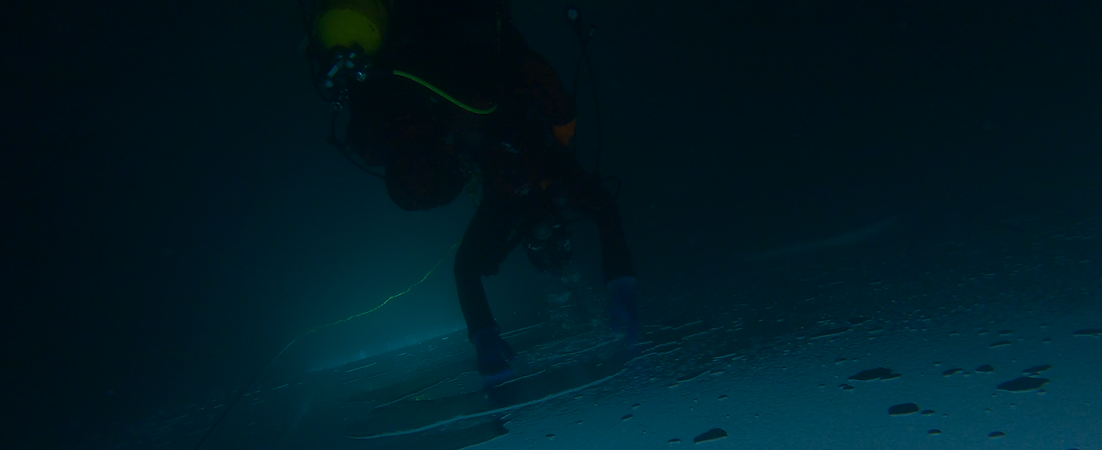
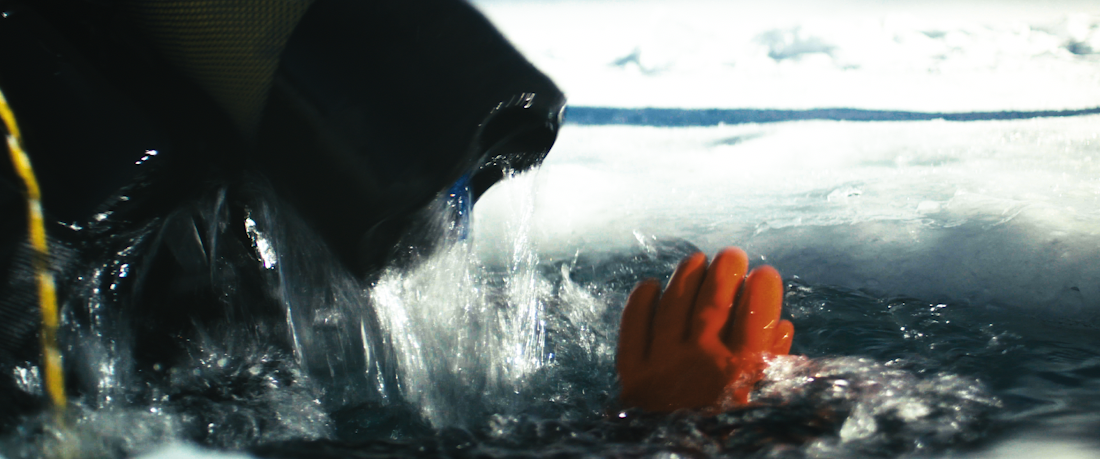
In the shadow of ASCLEPIOS, Simon, a Swiss-German with a past veiled in darkness, immerses himself in space training, seeking relief in the boundless depths of freediving amidst a tumultuous journey of self-discovery.
As Pauline faces rejection and Ilyasse emerges as the chosen one, tensions rise within the cohort, echoing the broader struggle for belonging and identity. Amidst visa issues and societal pressures, Ilyasse must navigate the treacherous terrain of astronaut training, grappling with questions of worthiness and belonging.
Meanwhile, Simon’s role as a supervisor unveils layers of hidden trauma, prompting questions of resilience and redemption. As the countdown to the analog mission begins, each character finds themselves at a crossroads, torn between the pull of the cosmos and the weight of the past.
Amidst the chaos, Pauline embarks on a journey of self-discovery, finding consolation in faith, mentorship, and familial bonds. With the Filipino space community as her beacon, she ignites a spark of inspiration, paving the way for a new generation of trailblazers.
As their journeys unfold, bonds are tested, culminating in moments of rejection, resilience, and revelation. Amidst the crucible of astronaut training, each must confront their wounds and forge a path forward, grappling with the weight of their dreams against the backdrop of an uncertain future on Earth.
director’s note
As a child, I did not want to go to the moon, but I wanted to disappear from Earth, transcending my body in order to escape domestic violence and my parent’s mental disease, to sum it up: a dangerous environment. To The Moon and Back explores this need for escapism, revealing the untouchable space of imagination as the ultimate shelter.
I want to draw a portrait of this new generation of young scientists. I see in Ilyasse and Pauline future leaders of high-ranking scientific institutions, trailblazers and pioneers, young geeky dreamers who must navigate the legacy of previous generations, searching for an untouched place of hope. For them, space is an imaginary place of desire, going there is their prospective life dream, yet barriers inherent to each of their conditions hinder its realization. When I imagine these highly qualified, sensitive, intelligent young individuals dreaming of leaving our planet, it demonstrates to me the tension between the current world, with all its rules, stigmas, and conflicts, and a new generation seeking hope in a fresh start.
And it’s this fresh start that interests me. In my film, I want to explore space as a projection screen, as a stimulus for my protagonists and their community. In this context, I am faced with exciting cinematic and formal questions: How can I capture the invisible, their utopia, or depict how the three are preparing for careers beyond gravity in a restricting terrestrial environment? This involves a selection of scenes that explore the workings of simulation, role-playing, and physical immersion. My goal is to narrate everyday moments, training sessions, etc., through the eyes of my protagonists using subtle visual effects that remind us of space, translating their need for escapism. Sound design and the use of music play a crucial role in making physical conditions, such as weightlessness, and psychological effects, e.g. the state of extreme mental concentration, palpable. Another visual approach is to reference the aesthetics of the corporate identity of space exploration. An industry heavily influenced by science fiction cinema, where the ‘male’ gaze of filmmakers and entrepreneurs like Elon Musk has deeply ingrained into our collective visual memory. I aim to appropriate this visual language while simultaneously deconstructing it, presenting a female gaze on science with my all-female crew. On one hand, I will incorporate visual references from sci-fi film classics, hence the decision to work with an anamorphic adapter. On the other hand, I will leverage the power of documentary filmmaking, and the coming of age film genre, but also the vulnerability of my protagonists to create a ‘different’ space story.
For me, it became clear very quickly that I wanted to create a choral film, as no single character can be an ambassador for humanity. We, as a species, are so diverse that at least three different perspectives seem necessary to me.
I’m intrigued by the main characters’ naivety and honesty. As they’re at the beginning of their careers, searching for their place in the world and society, they must find ways to assimilate the rules and prejudices of the past in order to contribute to change. I’m particularly interested in this ‘leap forward,’ the tension between the environment they navigate, heavily influenced by old values, bearing traces of patriarchy, colonialism, and capitalism, as established systems closely intertwined with the emergence of the space industry. My protagonists are not heroes; they are young individuals shaped by wounds and fears, seeking exits and safe spaces. Even as they experience themselves anew in the reproduction of American blockbusters during astronaut training, I will always confront these moments with reality, the ‘off-screen,’ and the conditions of their exertion, unveiling the sensitive nature of scientific minds, deconstructing stereotypes of geeky aliens.
Involving Ilyasse and Pauline in the film’s creation, each will have a unique audiovisual tool: Ilyasse, with an argentic camera; and Pauline, a 360-degree camera. This empowers them to tell their stories. As an off-screen dialogue partner, I’ll prompt them for voice-over testimonies, letting them become the storytellers, directly engaging the audience addressing the camera.
director’s biography
Elisa Gómez Alvarez was born in Berlin in 1989. Her films have been selected for several international festivals, including Visions du Réel, Kurzfilm Festival Hamburg, Les États généraux du film documentaire, Zurich Film Festival and Geneva International Film Festival, and broadcast on the VoD platforms Tënk and PlaySuisse. Polyvalent and multilingual, her practice is fuelled by a wide range of interdisciplinary collaborations (documentary, theater and opera, socio-cultural projects) and a relentless quest for formal expression (archives, animation, photography).

Volatiles – Futura!, 15’
2022, Zurich Film Festival, Giff
Soraya Luna, 25’
2021, Tênk Award, États généraux du film documentaire
Vimeo passwords upon request.

producer’s note
Together with a small all-female European fearless crew, Elisa is tackling with a feminine gaze the space conquest, often reserved to the male game. Holding both Colombian and German citizenships, Elisa, the director, seeks innovative narrative forms through diverse artistic practices and technology. Themes of youth, transition, the quest for independence, and the transcendence of pain or wounds recurs in Elisa’s work and lies at the core of this project. As I am renewing my collaboration with her on this film, I particularly trust her artistic and ethical approach to those subjects, on which – I believe – she is bringing a sharp and astonishing point of view. To handle with her the narrative of this first feature documentary, we are teaming up with senior Berlin-based editor Katja Dringenberg.
Main photography is scheduled in July 2024 and the delivery early 2026, probably around the launch of Artemis mission, bringing an alternative narrative to the space race. The film, enriched by the multilingualism and varied backgrounds of its protagonists, is positioned for global distribution. It has been designed as a crossover art-house documentary intended to captivate a broad audience, from European art house documentary lovers to young people from the « Global South » who are fascinated by space exploration, regardless of gender.
producer’s profile
Palmyre Badinier started producing documentaries while being based in Palestine and dedicated herself to Arab cinema for 10 years. She settled in Geneva in 2018 developing and (co-) producing a wide range of Swiss and foreign films such as The Shameless (2024) by Konstantin Bojanov, to be premiered at “Un Certain Regard” Cannes Official Selection or Swiss cinema award winning documentary title Je Suis Noires (2023) by Rachel M’Bon and Juliana Fanjul. She joined Rita Productions early 2022. Passionate by hybrid cinema, her filmography includes Under the Fig Trees (2022) by Erige Sehiri, A Thousand Fires (2021) by Saeed Taji Farouky, Ghost Hunting (2017) by Raed Andoni.


rita productions
Founded by Pauline Gygax and Max Karli, Rita Productions has produced fiction and documentaries since 2003, becoming one of the leading production companies in French-speaking Switzerland. The two producers lately released The Line by Ursula Meier presented in official competition at the Berlinale in February 2022 in co-production with Les Films de Pierre (FR) and Les Films du Fleuve (BE), and the new feature film by Lionel Baier Continental Drifts (South) in co-production with Les Films du Losange (FR) presented in World Premiere at the Directors’ Fortnight in April 2022.
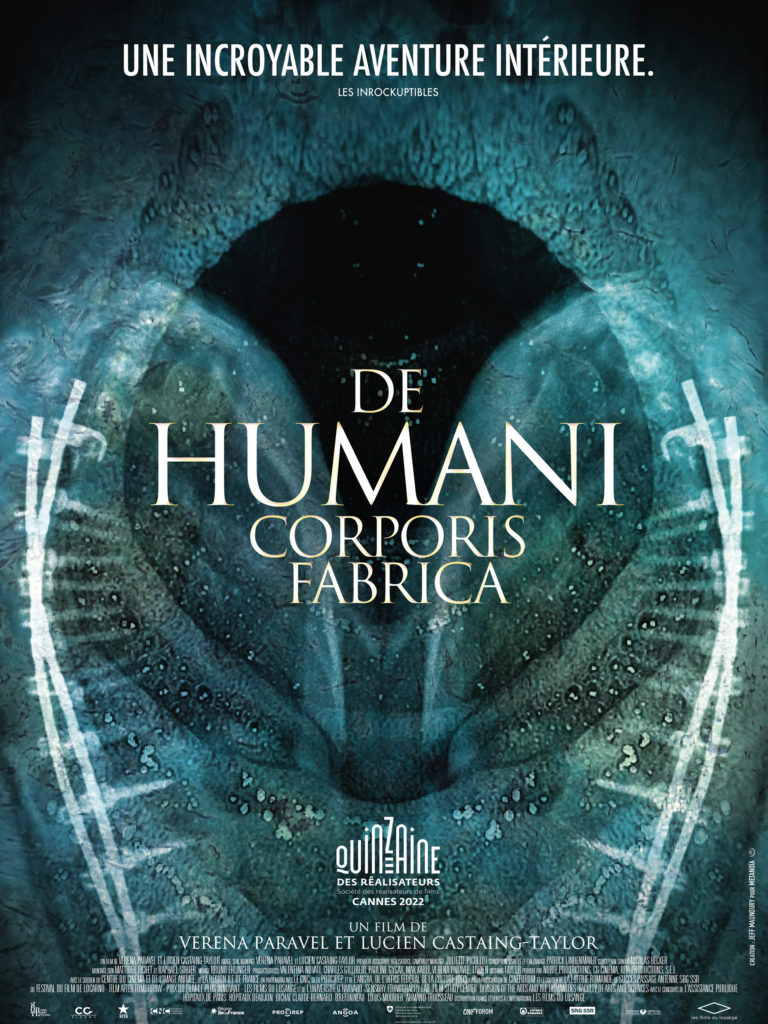
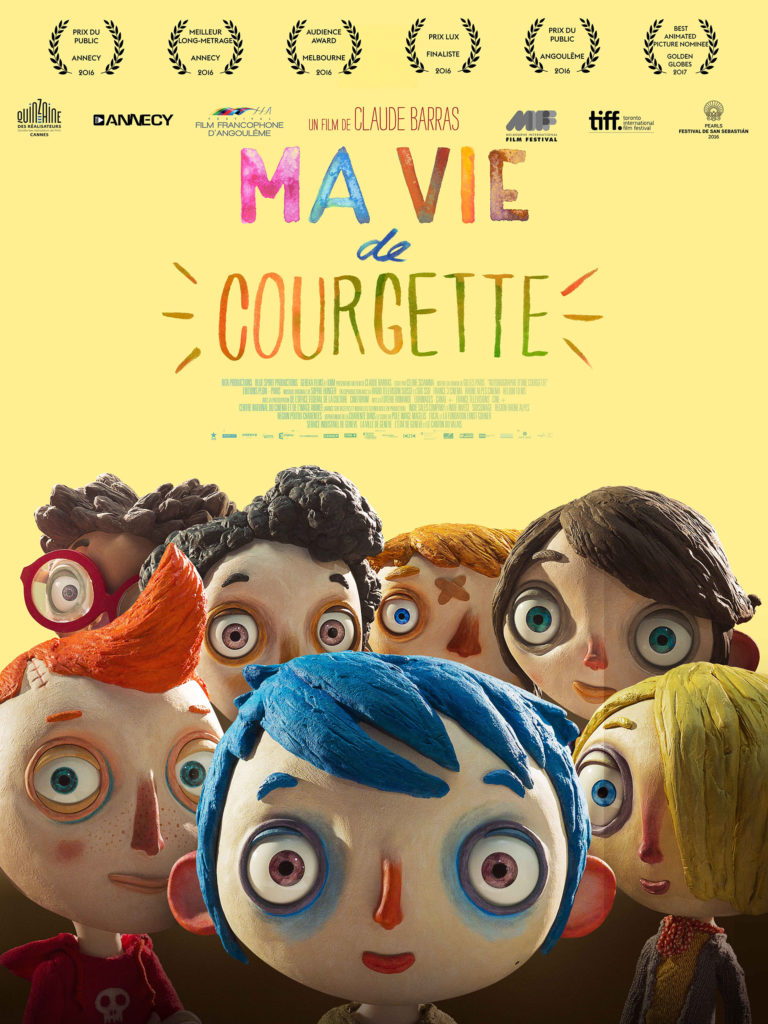
Films from recent years include: The Guardians by Xavier Beauvois, Salvation Army by Abdellah Taïa, Dirty Gold War by Daniel Schweizer and Longwaves (West) by Lionel Baier. Claude Barras’ animated feature My Life as a Zucchini written by Céline Sciamma, which after a Premiere at the Directors’ Fortnight in 2016, won two Cesars and three Swiss Awards and was also nominated for the 2017 Oscars. Most recent documentary titles include De Humani Corporis Fabrica (2022) by Verena Paravel and Lucien Castaing-Taylor.